The Solitude of Alpine Valleys: Living Along High Ridges
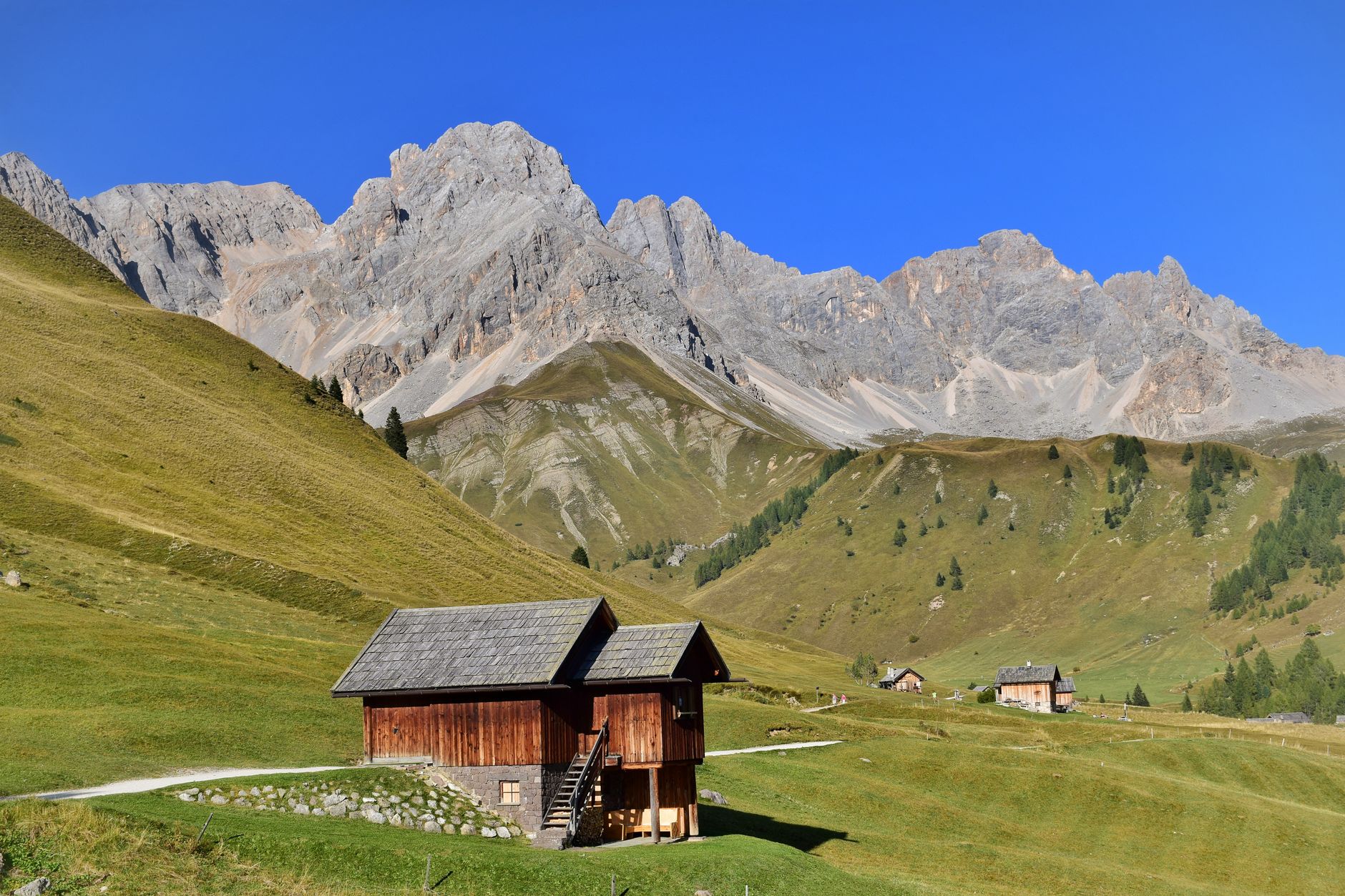
Field coordinates: Northern Dolomitic crest, altitude 2,140m. Photography by 111111 archive.
Dossier Table of Contents
When the first frost settles over the high meadows in early October, the soundscape of the valley contracts. Cowbells and the whirr of summer visitors fall quiet; only the wind across the sharp limestone fissures and the hollow crack of drying larch wood remain. Here, at two thousand meters, stillness is not an absence, but a dense, palpable presence.
1. The Limestone Geometries and Morning Mists
The pale reefs of these northern peaks were forged millions of years ago in prehistoric seabeds. Uplifted into jagged cathedrals, they absorb dawn in tones of apricot and ochre before turning slate-cold under cloud cover. Walking along the mule tracks that link isolated hamlets, one understands why generations of herders chose stone foundations set deeply into the scree: the mountains do not negotiate with flimsy construction.
"In the high passes, time is governed not by calendars, but by the thickness of ice across the stone trough and the direction of the southern föhn."
2. Larch Timber Joinery and Century-Old Insulation
The vernacular alpine dwelling, known colloquially as the malga, represents a triumph of environmental adaptation. Thick walls of local granite form the ground tier, housing root cellars and hearths, while dense, resin-rich European larch forms the upper log frame. Without iron nails, ancient mortise and tenon joints breathe as humidity expands and contracts the wood. These structures have held their ground against mountain storms for four centuries without losing their thermal integrity.
3. Agrarian Rhythm of the High Summer Pastures
While alpine tourism has often commodified these valleys into winter resorts, small cooperatives continue the practice of transhumance. Cows graze upon over fifty species of wild alpine grasses, wild thyme, and arnica. The resulting raw milk is curdled over wood fires into wheels of cheese that mature in stone vaults until winter. This agricultural discipline keeps the mountain meadows open, preventing erosion and preserving rare high-altitude orchids.
4. Principles for the Solitary Alpine Traveler
For those venturing into these passes, we advise strict humility. Move quietly; keep to marked shepherd trails; carry out all refuse without exception; and converse with local valley guardians through patronizing their small cooperative bakeries and mountain refuges. True luxury in these latitudes is not marble spas, but a warm hearth, clear well water, and unobstructed sightlines into wild stars.
Plan Your Solitary Alpine Expedition
Inquire about our private regional monograph on the silent valleys of South Tyrol and the Karwendel range.
Request Field Monograph