Coastal Foraging: Culinary Lineages of the Atlantic Shore
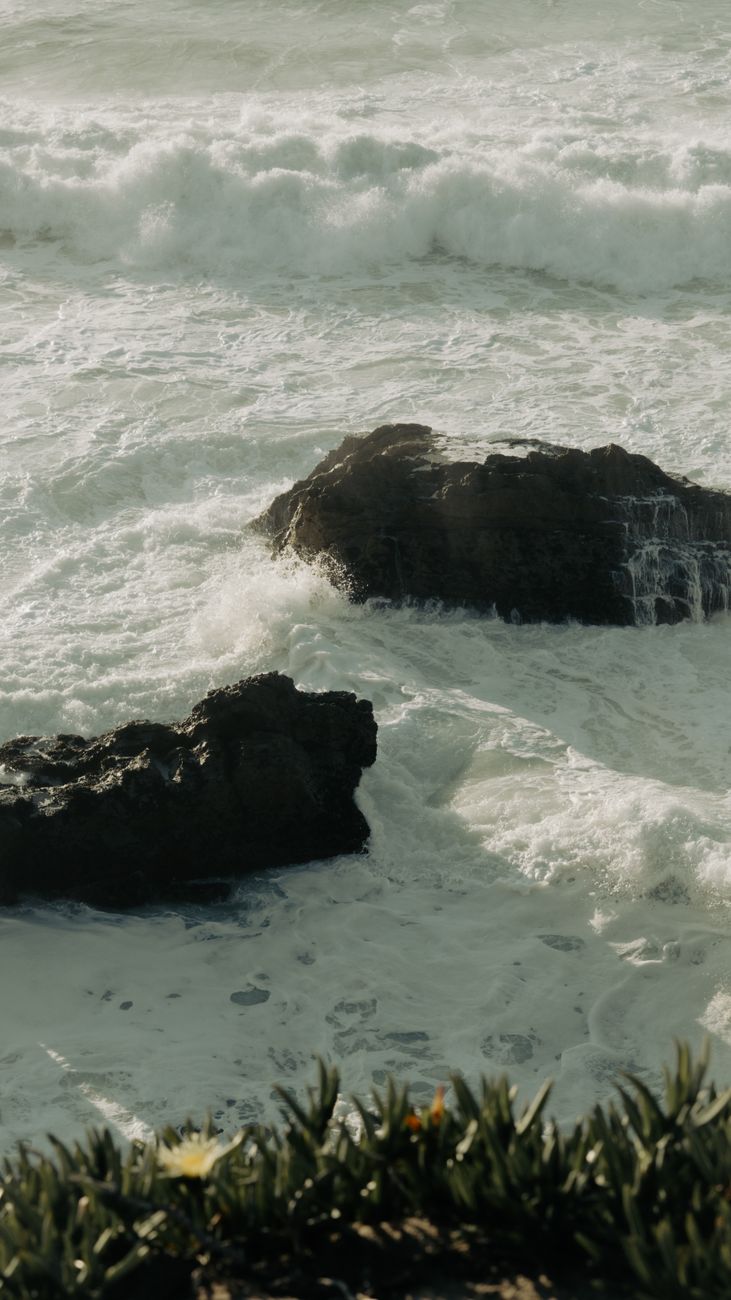
Low-tide intertidal zone near Brittany. Photography by 111111 archive.
Dossier Table of Contents
The Atlantic ocean boundary is a landscape of perpetual motion. Twice each day, the tide recedes by hundreds of meters, revealing glistening forests of bladderwrack, sugar kelp, and sea lettuce clinging to granite rocks. For centuries, maritime communities did not merely look to the sea for finfish; they harvested the rocky shelves as their primary green pantry and mineral wellspring.
1. The Intertidal Clock: Harvesting Sea Greens at Low Water
Foraging along these reefs requires an intimate comprehension of moon phases and spring tides. Wading out in rubber boots with hand shears, foragers harvest only the upper fronds of kelp, leaving holdfasts intact so the algae may regenerate with the incoming tide. In the damp salt air, every plant carries a sharp, crisp salinity coupled with deep glutamic richness.
"The true flavor of the Atlantic is not salt alone, but the complex mineral sweetness stored in marine botanicals nurtured by cold oceanic currents."
2. Sea Truffles, Dulse, and Kelp Varieties
Among the most prized coastal findings is Osmundea pinnatifida, colloquially known as pepper dulse or the sea truffle. Found only on wave-battered rocky shelves, a tiny leaf yields an explosive aroma reminiscent of white truffles and smoked oysters. Dulse (Palmaria palmata), dried upon seaside stones, offers a deep crimson leaf rich in iron that ancient sailors chewed for vigor during winter voyages.
3. Smoke, Salt, and Stone-Pot Reductions
In traditional fishing cottages, sea greens were integrated into daily sustenance. Simmered with winter leeks, coastal potatoes, and freshly shucked bivalves in cast iron pots, kelp releases natural alginates that thicken the broth into a rich, restorative velouté. Dried kombu-type kelps hung from kitchen rafters, creating a savory foundation for year-round stews.
4. Regenerative Mariculture for Tomorrow's Coast
As modern terrestrial agriculture faces soil degradation, the regenerative potential of coastal marine flora has captured the attention of culinary pioneers. Kelp requires neither freshwater, arable land, nor chemical fertilizer; it purifies surrounding seawater, sequesters carbon, and shelters juvenile sea life. By reviving traditional foraging knowledge, modern travelers can participate in an ethical culinary ecology that protects our coastlines.
Discover Coastal Culinary Havens
Learn about our curated maritime terroir retreats along the wild Atlantic coasts of Brittany and Ireland.
Connect With Gastronomy Team